
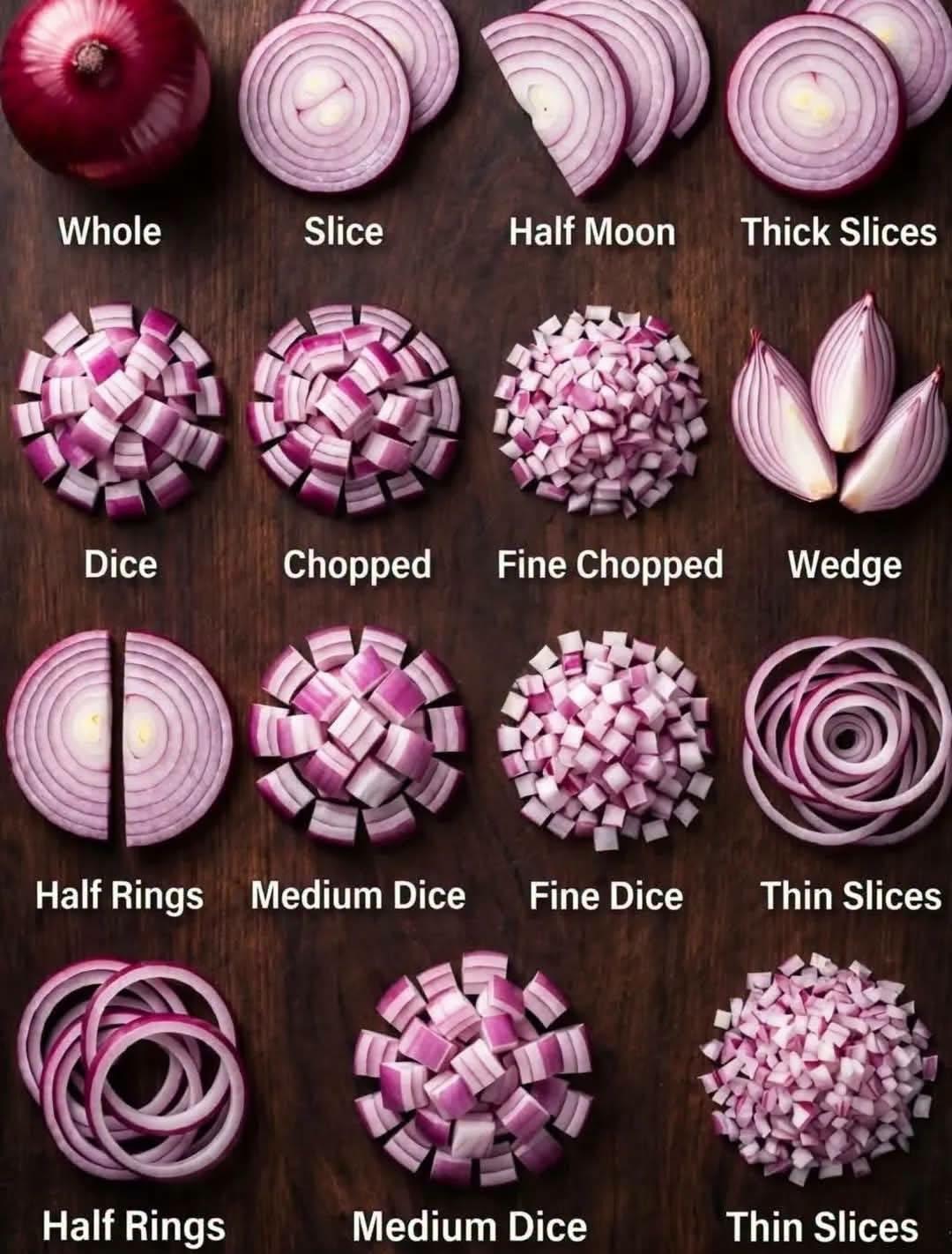
Nutritional Layers: What’s Inside an Onion?
Onions are low in calories but rich in nutrients. They contain:
- Vitamin C: Boosts immunity and skin health.
- Fiber: Supports digestion and gut health.
- Chromium: Helps regulate blood sugar.
- Quercetin: A powerful flavonoid with anti-inflammatory properties.
- Sulfur compounds: Linked to heart health and cancer prevention.
This combination makes onions a quiet ally in preventing chronic diseases.
Heart Health: A Natural Protector
Research suggests onions may help lower cholesterol, reduce blood pressure, and improve circulation. These effects are attributed to sulfur compounds and antioxidants that relax blood vessels and prevent plaque buildup. Of course, onions aren’t a miracle cure — they work best as part of a balanced diet and active lifestyle. But adding onions regularly to meals can be a simple step toward cardiovascular wellness.
Anti-Inflammatory Power: Fighting Silent Damage
Chronic inflammation is a hidden culprit behind many diseases, including heart disease, cancer, and arthritis. Onions are rich in quercetin, a flavonoid shown to reduce inflammation. Think of quercetin as a natural shield, calming the body’s overactive immune response. Regular onion consumption may help lower the risk of inflammatory conditions, making them a valuable addition to an anti-inflammatory diet.
Diabetes Defense: Regulating Blood Sugar Naturally
Onions have been studied for their ability to regulate blood sugar levels. Their chromium content improves insulin sensitivity, while antioxidants reduce oxidative stress linked to diabetes complications. For those managing diabetes, onions can be a flavorful way to support blood sugar control — though, of course, they should complement medical guidance and a balanced diet.
Bone Health: Strengthening from Within
A fascinating study found that older women who consumed onions regularly had higher bone density and a reduced risk of hip fractures. The compounds in onions may help prevent bone loss, making them especially beneficial for post-menopausal women. This adds another layer to the onion’s superfood status: it’s not just about heart and blood sugar, but also skeletal strength.
Culinary Versatility: From Raw to Roasted
Onions shine in every cooking method:
- Raw: Adds crunch and bite to salads, salsas, and sandwiches.
- Caramelized: Slowly cooked to release natural sugars, perfect for burgers or pasta.
- Roasted: Sweet and smoky, great as a side dish.
- Pickled: Tangy and vibrant, ideal for tacos or charcuterie boards.
- Soup base: Essential in broths, stews, and curries worldwide.
Their versatility ensures you can enjoy health benefits without boredom.
Cultural History: Onions Through the Ages
Onions have been revered across civilizations. Ancient Egyptians placed onions in tombs, believing their concentric rings symbolized eternity. Greek athletes ate onions to boost performance, while Roman soldiers consumed them for strength. In medieval Europe, onions were prescribed for ailments ranging from headaches to snakebites. This long history underscores their dual role as food and medicine.
Practical Kitchen Tips: Avoiding Tears and Breath
- Preventing tears: Chill onions before cutting, use a sharp knife, and minimize cuts to reduce chemical release.
- Managing onion breath: Chew parsley after meals — its oils cleanse the upper GI tract and freshen breath.
These simple tricks make onions easier to enjoy daily.
Recipes to Try
- Classic French Onion Soup: Caramelized onions simmered in broth, topped with crusty bread and melted cheese.
- Onion Chutney: Sweet and spicy condiment for curries or grilled meats.
- Roasted Onion Salad: Tossed with olive oil, balsamic vinegar, and herbs.
- Pickled Red Onions: Quick-pickled for tacos, burgers, or salads.
Each recipe highlights onions’ versatility while delivering health benefits.
Growing Your Own Onions
Onions are easy to grow in home gardens. They thrive in well-drained soil and full sun. Plant sets or seeds in early spring, and harvest when tops fall over. Growing your own ensures freshness and lets you explore varieties beyond the supermarket.
Continued On Next Page
ADVERTISEMENT

